Compare Local Contractors for Concrete Crack Sealing Services
Compare local contractors for concrete crack sealing to clarify scope, verify experience, and ensure clear written expectations for a reliable repair.
Concrete crack sealing is a specialized service that focuses on repairing and maintaining existing concrete surfaces, such as driveways, sidewalks, parking lots, and other paved areas. This work typically involves identifying cracks that may compromise the integrity of the concrete, cleaning and preparing the affected areas, and applying sealants designed to prevent water intrusion and further deterioration. Proper crack sealing not only improves the appearance of the surface but also helps extend its lifespan by preventing issues like water damage, shifting, and further cracking.
Defining the scope of concrete crack sealing work is essential for ensuring that property owners and contractors share clear expectations. A detailed scope should specify the extent of the cracks to be repaired, the type of sealant to be used, and any surface preparation required before sealing. Having this information documented helps avoid misunderstandings and ensures that both parties agree on what work will be performed. It also provides a basis for assessing the experience and capabilities of potential service providers, making it easier to determine which contractors are equipped to handle the specific needs of the project.
When comparing local contractors for crack sealing services, property owners should consider several practical factors. Verifying the experience of service providers with similar projects can help identify those with relevant expertise. Reviewing their scope of work and ensuring it aligns with the property’s needs is also important. Additionally, requesting written proposals that clearly outline the scope, materials, and methods can facilitate comparison and provide a reference point for future discussions. Gathering information about a contractor’s reputation within the community, along with their approach to communication and project management, can support a more informed decision when selecting a service provider for concrete crack sealing.
Compare local contractors by outlining project priorities, verifying experience, and setting clear expectations in writing.
- Define the Scope of Work - clearly outline the extent of crack sealing needed to ensure accurate contractor comparisons.
- Verify Experience and References - assess the background of service providers to identify those with relevant project history.
- Compare Credentials and Services - evaluate local contractors based on their offerings and professional background.
- Document Expectations in Writing - establish detailed agreements to align on project scope and responsibilities.
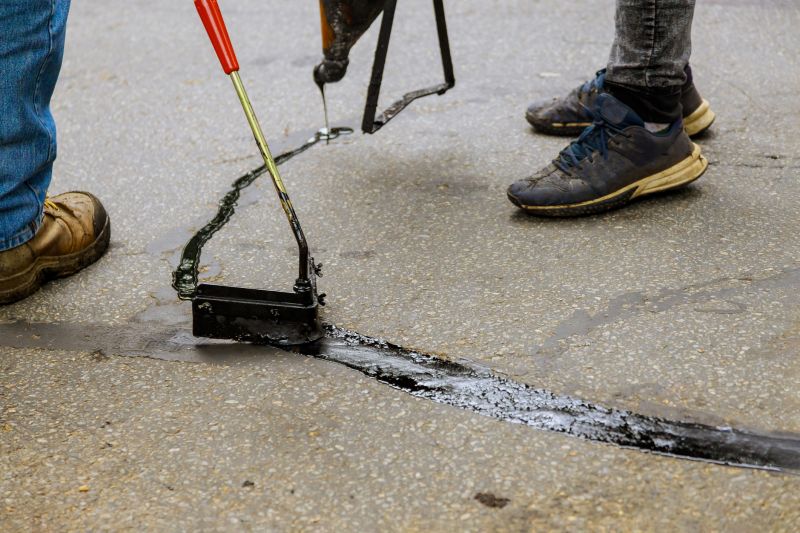
Clearly describe your concrete crack sealing project to effectively compare local contractors, verify experience, and set clear expectations.
- Verify the contractor's experience with concrete crack sealing projects similar to the scope of the job. - Ensure the service providers clearly define the scope of work and the materials to be used in writing.
- Compare multiple local contractors to assess their qualifications and approaches to crack sealing. - Look for detailed descriptions of the sealing process and recommended repair methods.
- Ask service providers about their process for preparing cracks and ensuring proper adhesion of sealants. - Confirm that they evaluate the condition of the concrete before proceeding with sealing.
- Check that the scope of work and expectations are documented in a written agreement or contract. - Clarify what is included and what is not to avoid misunderstandings.
- Review the contractor's references or portfolio to assess the quality of their previous crack sealing projects. - Consider feedback or examples demonstrating their experience with similar concrete repairs.
- Ensure the service provider discusses warranty options or guarantees related to their crack sealing work. - Understand the coverage and limitations of any warranty offered.
Compare local contractors’ experience and clearly define your project scope to ensure successful crack sealing.
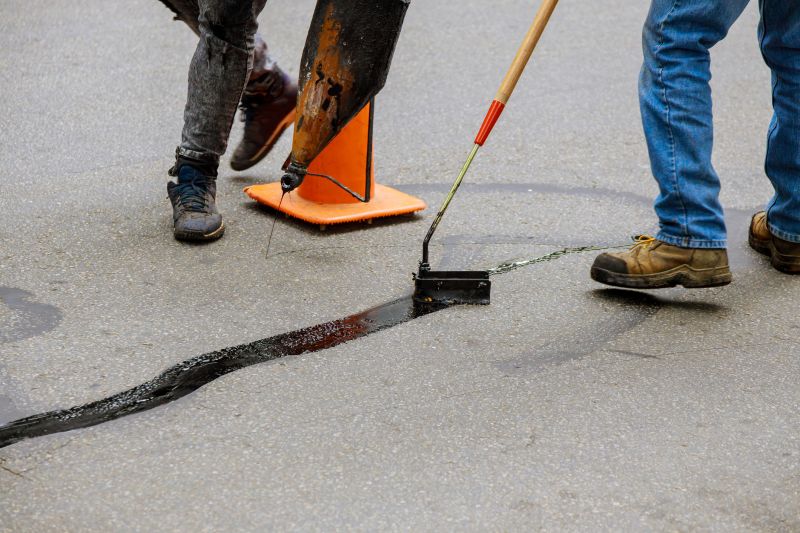
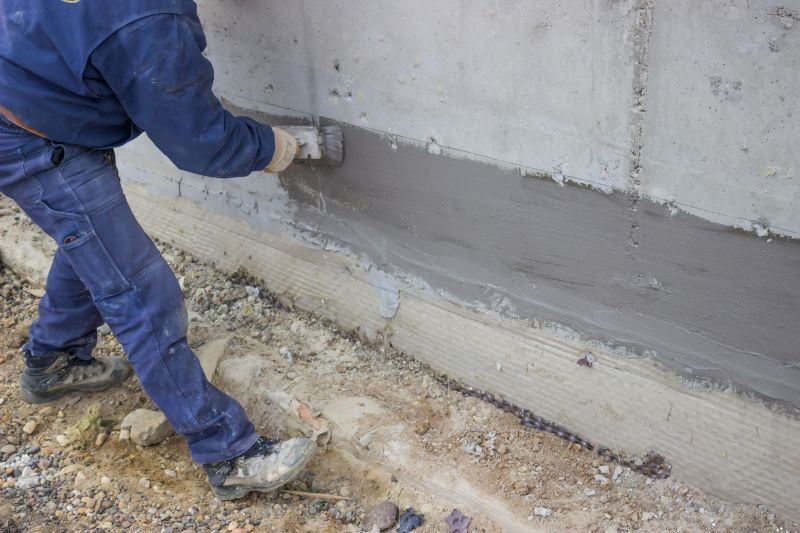

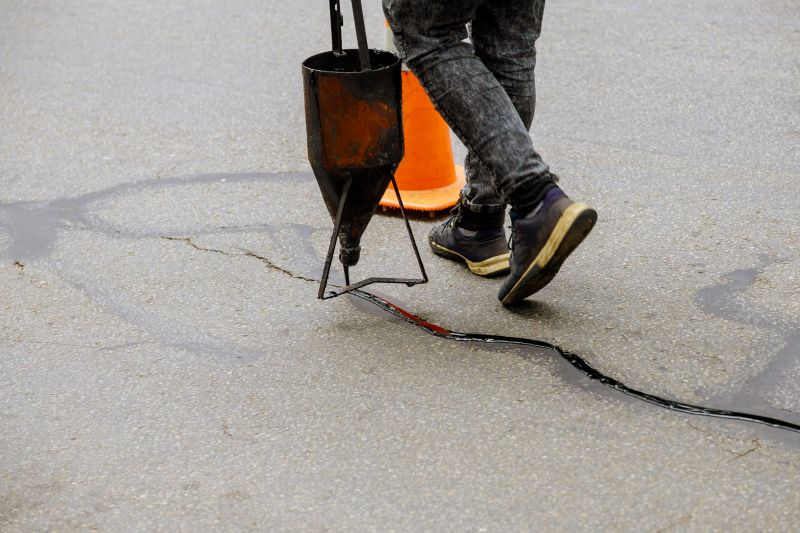
Use this scope builder to compare local contractors’ experience, define project details, and ensure consistent expectations.
- Scope Definition - Clearly specify the extent of crack sealing work needed, including the size and number of cracks to be addressed.
- Material Selection - Determine the types of sealants and repair materials suitable for the specific concrete conditions.
- Experience Verification - Confirm that local contractors have relevant experience with concrete crack sealing projects.
- Work Expectations - Document the desired results, surface preparation requirements, and any specific application methods in writing.
- Quality Standards - Establish criteria for workmanship, durability, and finish to ensure consistent expectations across service providers.
When comparing contractors for concrete crack sealing, it’s important to consider their experience with similar projects. Homeowners should inquire about the types of cracks the service providers have handled and whether they have worked on projects comparable in size, scope, and complexity. Contractors with a proven track record in crack sealing for residential or commercial properties can offer insights into their familiarity with different concrete surfaces, crack patterns, and underlying issues. This experience can help ensure that the selected service provider understands the nuances of the job and can deliver results that meet expectations.
A clear, written scope of work is essential when evaluating potential service providers. Homeowners should seek detailed descriptions of the tasks involved, including surface preparation, crack cleaning methods, sealing materials, and any additional steps that might be necessary. Having a comprehensive scope in writing helps prevent misunderstandings and provides a basis for comparing different contractors’ approaches. It also sets clear expectations regarding what is included in the service, ensuring that the project’s parameters are well-defined before any work begins.
Verification of a contractor’s basic qualifications involves assessing their ability to deliver quality results consistently. Homeowners can ask for examples of completed projects, references, or case studies that demonstrate the contractor’s experience and reliability. It’s also helpful to verify that the contractor uses appropriate sealing materials and employs proper techniques suited to the specific type of cracks and concrete surfaces involved. While licensing and certification are not discussed here, understanding a contractor’s familiarity with industry standards and best practices can be valuable in making an informed decision.
Evaluating options without focusing on prices involves examining how well each contractor’s proposal aligns with the project’s scope and your expectations. Consider the clarity of their communication, the thoroughness of their written scope, and their demonstrated experience. Comparing the details of each proposal can reveal differences in approach, professionalism, and attention to detail. It’s also beneficial to ask how each service provider plans to handle potential challenges or unexpected issues, ensuring that their methods are transparent and well thought out. This thorough comparison can help identify the service providers best suited to effectively handle the project.
Ask contractors to provide written scope details to ensure clear understanding and consistent expectations for the project.
- Experience and Expertise - How do local contractors demonstrate their experience with concrete crack sealing projects?
- Scope of Work - What specific services are included in each contractor’s scope for crack sealing?
- Materials and Methods - What sealing materials and techniques do service providers typically use for long-lasting results?
- Project Expectations - How can scope details be clarified and documented to ensure mutual understanding?
- Comparison Criteria - What factors should be considered when comparing the scope and approach of different local contractors?
What should I consider when choosing a contractor for concrete crack sealing? It's important to verify their experience with similar projects, review their scope of work, and ensure all expectations are clearly defined in writing to avoid misunderstandings.
How can I compare different contractors for crack sealing services? Comparing contractors involves reviewing their credentials, asking about their approach to crack sealing, checking references or reviews, and ensuring their scope of work aligns with project needs.
Why is it important to define the scope of work in writing? Having a detailed, written scope helps clarify what services will be provided, sets clear expectations, and provides a reference in case of disputes or misunderstandings later on.
What questions should I ask contractors before hiring for crack sealing? Inquire about their experience with similar projects, the methods they use for crack sealing, how they plan to prepare the surface, and how they will address potential issues during the work.
How can I verify a contractor’s experience with concrete crack sealing? Request examples of past projects, ask for references, or look for reviews that demonstrate their familiarity and competence with crack sealing techniques.
What role does communication play when working with a contractor for crack sealing? Clear communication ensures that project scope, expectations, and responsibilities are understood by all parties, helping to facilitate a smooth process and satisfactory results.
This page has provided an overview of what to consider when seeking contractors for concrete crack sealing. Visitors have learned the importance of defining the scope of work clearly, verifying the experience of service providers, and setting expectations in writing to ensure a smooth process. Comparing multiple local contractors can help identify options that align with specific project needs and preferences.
To find the right contractor for concrete crack sealing, use the quote form to connect with local service providers who can handle the job. Gathering information through this process allows for a straightforward way to evaluate different options and make an informed choice based on your project requirements.